Hepatitis B is a particularly severe form of liver infection which can give way to liver failure, chronic disease, or liver cancer if not treated promptly. Early intervention is important to manage the condition and control population health. One of the important pointers used for the detection of hepatitis B is HBsAg (Hepatitis B surface antigen).
In the following blog, we’ll explain the essence of HBsAg - its detection processes and, most significantly, its value in screening for hepatitis B.
What is HBsAg?
This is a protein molecule found at the edge of the hepatitis B virus. Once a person is infected with HBV, the surface antigen starts showing in their blood. Its availability signifies that the person is infected and has the capacity to transmit the virus to other people.
The two types of infections that can be subsumed under HBsAg positive are:
- Acute Hepatitis B: This is an intermediate condition occurring within the first six months after exposure.
- Chronic Hepatitis B: This is an infection that lasts more than six months with a risk of developing severe complications.
Preliminary assessment using HBsAg is primary since it’s marker of screening for hepatitis B. It’s the first sign, which can be used during blood donation.
How Is HBsAg Detected?
In most cases, HBsAg is evaluated through blood sampling. Each setting sample collection site has its own means, objectives and tools. Hence, different approaches may be adapted.
- ELISA (Enzyme-Linked Immunosorbent Assay): It’s one of the most sensitive tests used at clinics and medical laboratories. It’s a research-grade test to measure and determine if someone has HBsAg and not other hepatitis types like failing to meet the units’ bar minimum.
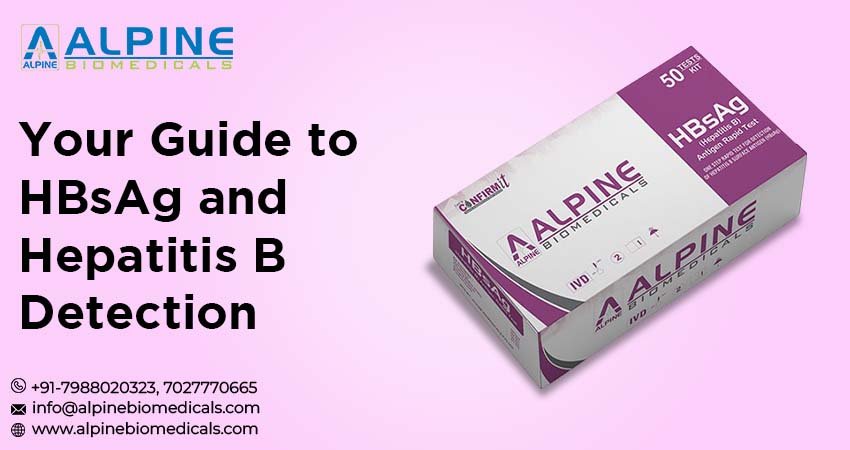
- HBsAg Rapid Test: For group evaluations, these are basic but straightforward blood group evaluations of choice. Frequently, it’s possible to receive answers after 15 to 30 minutes of waiting due to not relying on large facilities.
- Chemiluminescent Immunoassays (CLIA): Also, non-invasive like the testing scheme but give the precision needed for a medical center’s checkpoint control inquiry.
- PCR Testing (Polymerase Chain Reaction): They specifically evaluate for an alteration within the parts of viral markers which are usually present in circulation in slowly inactivated samples collected after a determination that HBsAg has been found.
Who Should Get Tested for HBsAg?
A wide variety of individuals should get tested for HBsAg, especially those who are at higher risk for infection. This includes:
- Pregnant women (in order to prevent mother-to-child transmission)
- Blood donors
- Healthcare workers
- Individuals who engage in unprotected sexual contact
- People sharing needles or medicine injection equipment
- Infants born to HBsAg positive mothers
- People coming from regions of high HBV prevalence
Routine screening helps in early detection of cases so that an intervention can be done to limit long term damage to the liver.
Why Is HBsAg Detection Important?
- Preventing The Spread Of The Infection: The result of your test will decide if you have the risk of transmitting the virus through blood or body fluids. Early identification does allow us to place certain measures such as vaccination for those who are in close contact.
- Managing Outcomes Related to Health: For proper health care to be provided, one has to know their hepatitis B status. Chronic carriers will be on close monitoring and may need antivirals to minimize the disease progression.
- Ensuring Safe Blood: In order to ensure that infected blood does not get into circulation, HBsAg testing is done as a standard requirement of blood donor screening.
- Strategy for the Public's Health: Screening on a wider scale helps in the fight of eliminating hepatitis B at a specific region or globally. This also helps with early detection, vaccination and the education programs.
What If You Test Positive for HBsAg?
Testing positive for a certain marker doesn’t always mean a person has chronic infection. Additional tests may include:
- HBsAg Rapid Test: To gauge current infection status.
- Liver Function Test (LFT): To measure the functioning of the liver.
- Ultrasound or biopsy of the liver: When liver pathology is suspected.
In any case, HCV is diagnosed with greatest accuracy after performing all relevant liver tests and imaging.
Notice that each of those could lead a practitioner to suggest the need for further action, such as initiating treatment with antivirals or lifestyle adjustment monitoring.
Conclusion
If you are looking for the manufacturer of kits of HBsAg Rapid Test, Alpine Biomedicals is an eminent Manufacturer of the best quality Rapid Diagnostic Test Kit for HIV, Malaria, Dengue, Hepatitis, Syphilis & Pregnancy. We use the most advanced and cutting-edge technologies in electronic devices, information technology and biotechnology to develop products and solutions that benefit human health.